Navigating Mobile Privacy Shifts: A Guide for Developers (Part I) | Privacy Sandbox vs. SKAN
The advertising industry is rapidly advancing towards a more secure and transparent future, driven by users' urgent demands for stronger personal data privacy protection and greater transparency in data storage.
Focusing on the forefront of mobile app marketing, the Privacy Sandbox, meticulously developed by Google, and the SKAdNetwork (SKAN) framework introduced by Apple have both had a profound impact in recent years.
While both aim to achieve similar goals, these two policy frameworks are, in fact, quite different.
01
Privacy Sandbox & SKAN
Built for Privacy Protection
What is Google's Privacy Sandbox?
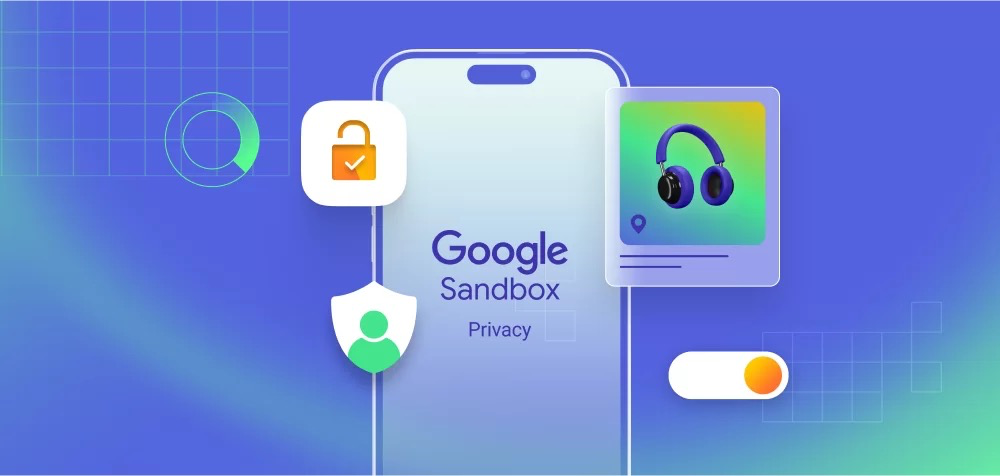
The Privacy Sandbox initiative aims to create technologies that protect user privacy online while providing companies and developers with tools to build thriving digital businesses.
Its goal is to develop productive advertising solutions that enhance privacy protection, assuring users their privacy is safeguarded, and equipping developers and businesses with tools to help them succeed on mobile devices.
For Privacy Sandbox on Android, it primarily involves two aspects:
- the SDK Runtime
The Android platform uses the concept of app sandboxing to maintain robust execution and security boundaries for app code, as well as process isolation. In Android 13, the SDK Runtime provides a modified execution environment with clearly defined permissions and data access rights for SDKs, thereby offering stronger security and guarantees for user data collection and sharing.
- Privacy-Preserving APIs
To support core advertising use cases without relying on cross-app identifiers, Privacy Sandbox on Android offers a set of APIs for achieving ad personalization and measurement in a more private manner. These APIs protect user privacy through techniques such as keeping selected private data on-device for processing, aggregating and randomizing data, and selecting ads on the device.
What is Apple's SKAdNetwork (SKAN)?
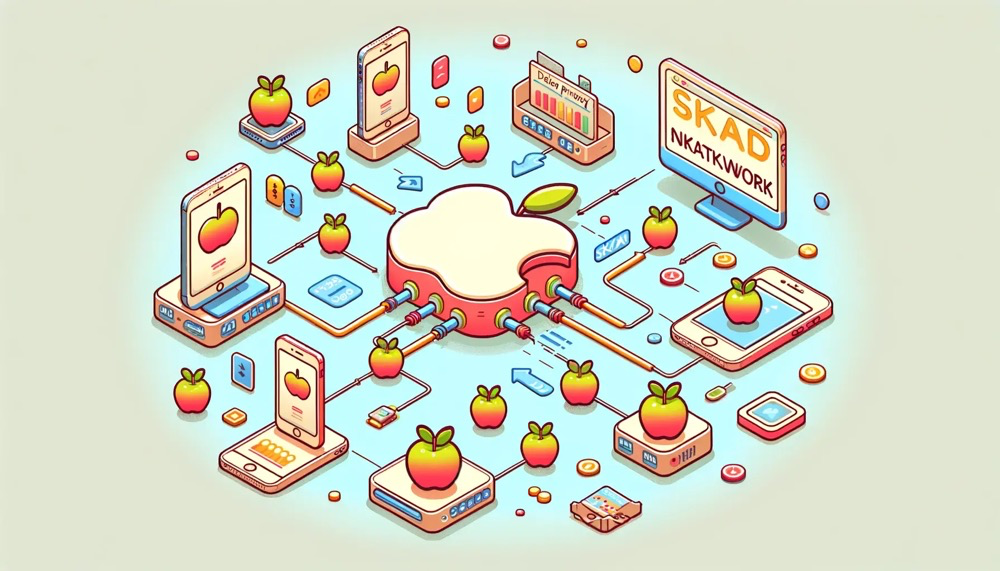
SKAN is a privacy-preserving framework created by Apple for mobile app install attribution. It is designed to help measure the conversion rates of app install campaigns without compromising user identity.
The advantages and disadvantages of SKAdNetwork are quite clear. Its advantages include protecting user privacy, fostering a level playing field, reducing fraud, and enhancing the authenticity and reliability of attribution data. The limitations of SKAdNetwork involve attribution data latency, lack of granular data, and the complexity of configuring conversion values.
02
Privacy Sandbox & SKAN
What Are the Core Differences?
There are many complexities and differences between Google's suite of privacy-focused ad technologies and Apple's SKAdNetwork.
However, the core difference lies in this: Google is an advertising network that has built a way to conduct advertising activities with privacy and security in mind; whereas Apple is a device and computing platform company that has built a system for ad measurement and monitoring while enhancing consumer privacy protection.
One could say that if Apple built privacy tools, Google built a 360-degree privacy suite.
In short:
- Apple's initiative is more about mitigating the capabilities of ad tech; while Google's initiative is about re-inventing the world in which ad tech exists.
- Apple focuses on reducing the surveillance capabilities of ad tech, while Google focuses on rebuilding advertising within a privacy framework, leading to differences in the functionality and limitations of their respective tools.
- Furthermore, this is why ad tech experts say Google's Privacy Sandbox will have a larger impact than Apple's SKAN, but ultimately be less disruptive—only time will tell.
03
How to Prepare for
Stricter Privacy Policies
We cannot control what Apple releases in SKAN 4, 5, or 6, what Google provides within the Privacy Sandbox, or when it will deprecate GAID or third-party cookies.
What we can do is insulate ourselves from the shifts in ad tech and marketing measurement by diversifying our bets across more measurement methodologies, and utilizing a measurement and analytics provider that captures all this information for you, aggregates it into a single report, while offering full transparency into the underlying raw data.
Does this mean you don't need to learn about SKAN or the Privacy Sandbox? Absolutely not.
Despite their challenges, they are deterministic sources of attribution that provide crucial signals for measurement and optimization. Even if they are not complete solutions, they are vital components.
What we need to do is prepare for the future. Future-proofing your marketing and attribution strategy means not putting all your eggs in one basket. To achieve sustainable growth, businesses must adapt around these privacy changes and proactively respond to the increasing user privacy protection measures emerging in the marketing landscape.